Deck Restoration vs. Replacement: Which Is Right for Your Deck?
When a deck starts looking worn down, many homeowners assume replacement is the only real solution. Gray boards, peeling stain, rough surfaces, mildew, and uneven color can make a deck look like it is past its useful life.
But an old-looking deck is not always a failed deck.
In many cases, a deck that looks weathered on the surface can still be restored. The key is understanding the difference between cosmetic wear, surface damage, and true structural problems. For homeowners in Burlington County and South Jersey, making the right choice can save money, extend the life of the deck, and improve the backyard without jumping straight into a full rebuild.
When Deck Restoration Makes Sense
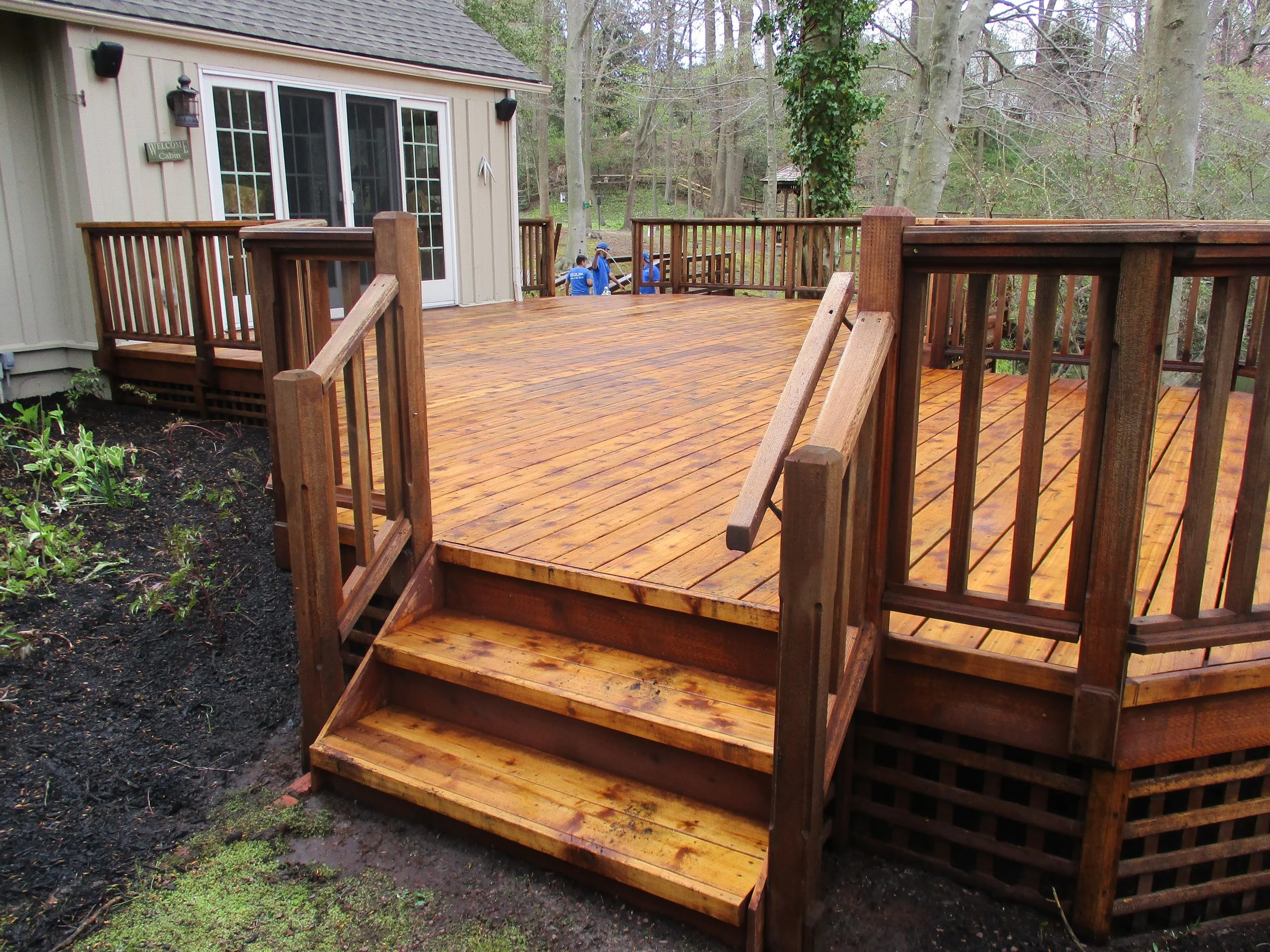
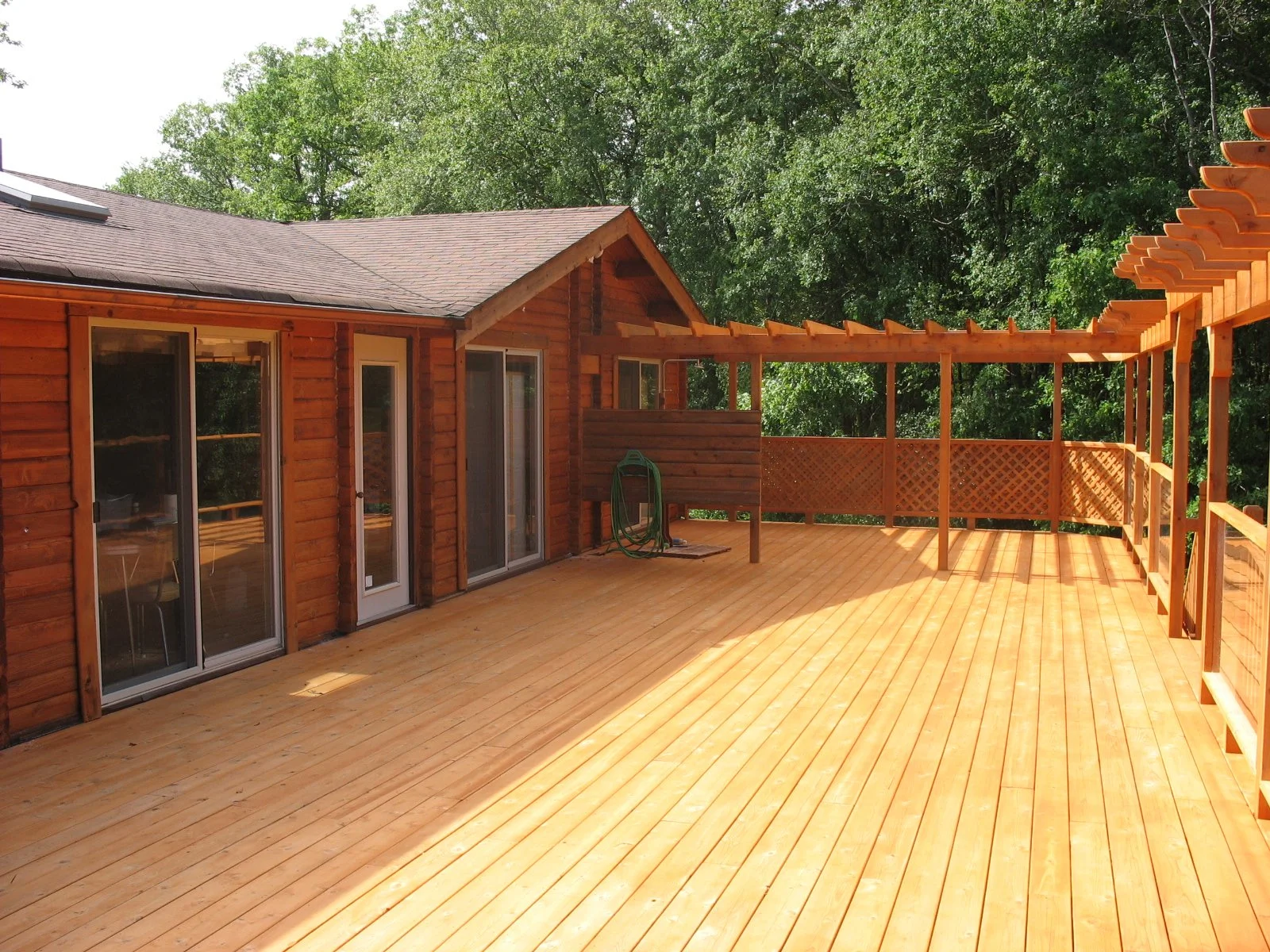
Deck restoration is usually the better option when the deck is structurally sound but the surface looks worn, dirty, faded, or unprotected.
A deck may be a good candidate for restoration if the boards are still solid, the framing is stable, the railings are secure, and the main problems are related to appearance or surface condition.
Common signs that restoration may be enough include gray wood, faded stain, minor splintering, mildew, algae, dirt buildup, peeling finish, or water soaking into the surface.
These issues can make a deck look neglected, but they do not always mean the deck needs to be torn out. With proper cleaning, sanding, repairs, and staining, many decks can be brought back to a cleaner, safer, and more attractive condition.
When Replacement May Be Necessary
Replacement becomes more likely when the deck has serious structural problems or widespread rot.
If the framing is compromised, posts are unstable, stairs are unsafe, railings are loose, or many boards are soft and deteriorated, restoration may not be enough. Staining damaged wood does not fix the underlying issue.
A deck may need replacement or major repair if you notice soft spots, sinking areas, severe rot, unstable supports, major warping, broken stairs, or widespread board failure.
In these situations, safety has to come before appearance. A professional inspection can help determine whether the deck can be restored, partially repaired, or should be replaced.
The Cost Difference Between Restoration and Replacement
One of the biggest reasons homeowners consider restoration is cost. A full deck replacement can be a major investment, especially when it involves removing the existing structure, purchasing new materials, rebuilding the frame, installing new boards and railings, and finishing the surface.
Deck restoration is often more affordable because it works with the existing structure when that structure is still usable.
Instead of starting over, restoration focuses on cleaning, repairing, sanding, and protecting the deck you already have. For many homeowners, that can provide a noticeable improvement without the expense of a full rebuild.
The exact cost depends on the size of the deck, the condition of the wood, the amount of prep work required, the type of finish selected, and whether repairs are needed.
Appearance Is Not the Only Factor
A deck that looks bad may still be structurally sound. A deck that looks decent may still have hidden problems.
That is why the decision should not be based only on appearance.
Some decks look rough because the stain has failed, the surface has oxidized, or mildew has built up over time. These are often restoration issues.
Other decks may have deeper concerns, such as rot, loose connections, or failing support components. These are repair or replacement issues.
Before deciding, it is important to evaluate both the surface and the structure.
Restoration Can Extend the Life of Your Deck
The purpose of deck restoration is not just to make the wood look better. It is also to protect the deck from continued weather damage.
When a deck loses its protective finish, the wood absorbs more moisture. That can lead to cracking, swelling, mildew, and eventually rot. South Jersey’s mix of humidity, rain, sun, leaves, and winter moisture can speed up that process.
A properly restored deck can help slow deterioration by cleaning the wood, removing failing coatings, smoothing rough areas, and applying a fresh protective stain or sealer.
For homeowners who are not ready for replacement, restoration can be a smart way to preserve the deck and improve its usability.
Replacement May Still Be the Better Long-Term Choice
There are times when replacement is the more practical decision.
If the deck has reached the end of its service life, restoration may only provide a short-term improvement. In that case, putting money into cleaning and staining may not be the best use of the budget.
Replacement may also make sense if the homeowner wants to change the size, layout, materials, railing style, or overall design of the outdoor space.
For example, a homeowner may choose replacement if they want a larger entertainment area, lower-maintenance materials, new stairs, or a completely different look.
The right choice depends on the condition of the existing deck and the homeowner’s goals.
Repair and Restore Can Be a Strong Middle Ground
Not every deck decision is simply restoration or replacement. Sometimes the best option is a combination of repair and restoration.
Damaged boards can be replaced. Loose fasteners can be addressed. Railings can be secured. Stairs can be repaired. Then the entire deck can be cleaned, sanded, and stained for a more consistent finished appearance.
This approach can be especially useful when most of the deck is still in good condition but certain areas need attention.
A professional evaluation can help identify which parts need repair and whether the remaining structure is worth restoring.
How to Decide What Your Deck Needs
The best way to decide between deck restoration and replacement is to look at three things: safety, condition, and goals.
Safety comes first. If the deck has unstable areas, serious rot, or structural concerns, those issues need to be addressed before appearance.
Condition comes next. If the deck is mostly solid but has surface wear, restoration may be a good fit.
Goals also matter. If you want to improve the appearance and protect the deck, restoration may be enough. If you want a completely new layout or material, replacement may be the better option.
Get a Professional Opinion Before Replacing Your Deck
Before assuming your deck needs to be replaced, it is worth having it inspected. Many homeowners are surprised to learn that their deck may still be restorable.
Deck Restoration Plus helps homeowners in Burlington County and surrounding South Jersey areas determine whether their deck needs cleaning, sanding, staining, repairs, restoration, or replacement.
If your deck is gray, peeling, rough, dirty, or no longer repelling water, professional restoration may be the right solution.
Contact Deck Restoration Plus to schedule an estimate and find out whether your deck can be restored before committing to a full replacement.